

How Spartanburg County, SC Saves Millions with Pavement Preservation
Located in the northwestern corner of South Carolina, Spartanburg County is the fifth-most populous county in the state, with roughly 369,000 residents spread across more than 800 square miles. The county seat sits within the larger Greenville-Spartanburg-Anderson metropolitan area, a region known for steady growth, manufacturing strength, and a mix of urban centers and rural communities.
The Problem
With a growing population and ever increasing costs, a reactive, worst-first maintenance approach would quickly outpace available funding on a road network this size, and traditional repaving inside established subdivisions is expensive and disruptive to residents.
The Solution
The county built a proactive preservation program around a core toolbox of crack seal, depth patch, and HA5 High Density Mineral Bond, with cape seals and microsurfacing layered in on higher-traffic roads. The strategy extends pavement life from a typical 23 years to 40-plus, with HA5 alone delivering an 8 to 10 year life extension in subdivisions.
A Model for Local Government Infrastructure
Unless you live there, you might never have heard of Spartanburg County. It is one of the largest counties in the state in both road miles managed (1,800 centerline miles) and population (roughly 369,000). In the world of pavement preservation, Spartanburg County is becoming known for innovation. They’ve developed unique funding mechanisms to futureproof the county against aging infrastructure. And they’ve put those dollars into innovative pavement preservation programs that will pay off for years to come. More importantly, Spartanburg County’s approach will save residents millions of dollars while keeping their streets in better condition than a reactive program ever could.
To understand how, we sat down with John Wade, the county’s transportation engineer in public works.
“We maintain 1,800 centerline miles of road,” Wade said. “Our challenge is to get about $30 million a year of repaving done, and part of this is about a $5 million a year worth of preservation work.”
Rather than pouring every dollar into expensive repaving cycles, Spartanburg County has built a dedicated preservation budget designed to keep good roads in good condition. It is a textbook example of the best-first philosophy that pavement preservation experts have championed for years.
Why a Best-First Approach Wins
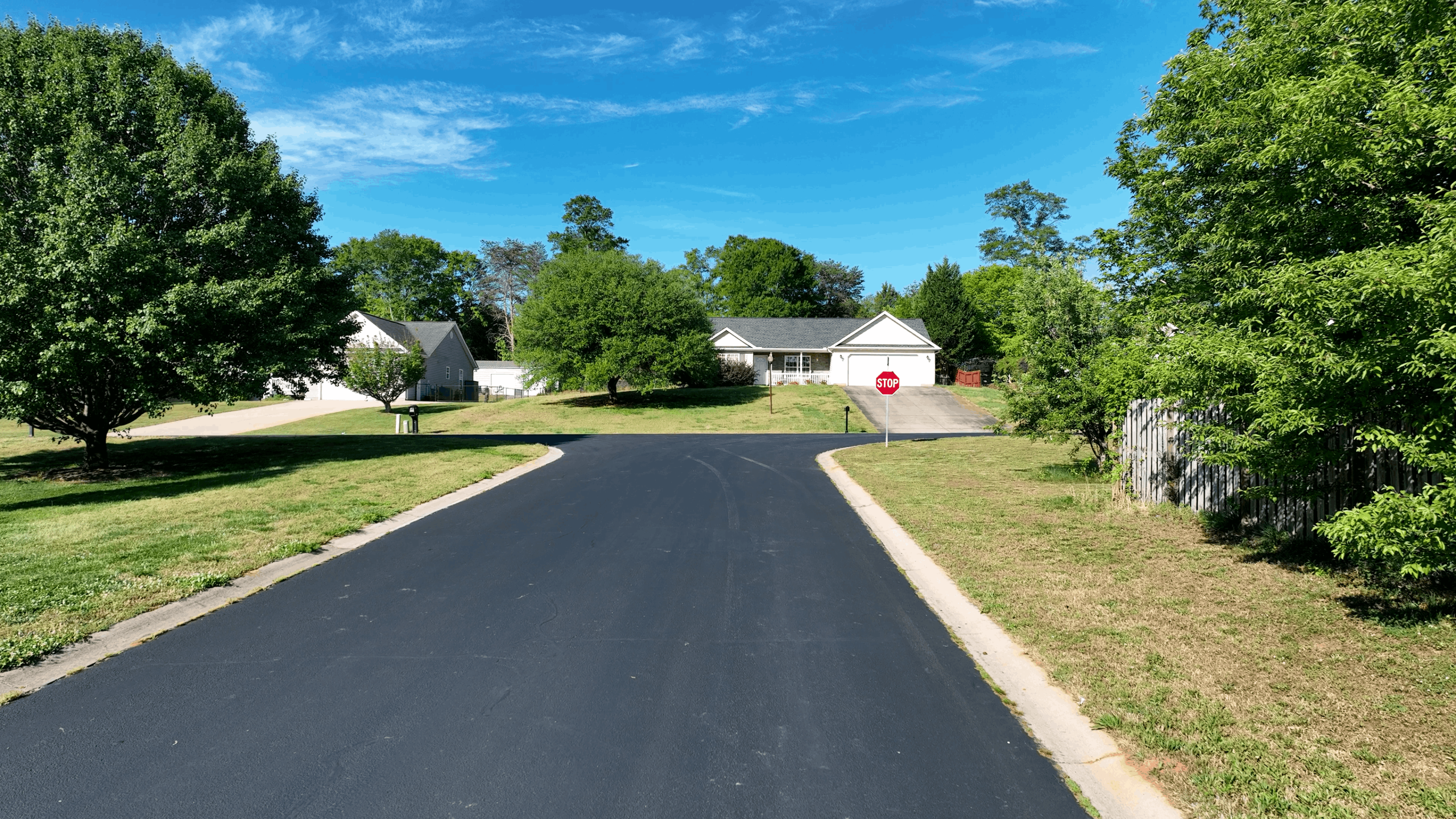
Many counties and cities across the country still operate on a worst-first philosophy, waiting until roads start showing visual signs of deterioration before stepping in. The math rarely works out. Once asphalt begins to crack and ravel, the most cost-effective preservation window is already closing, and the cost of bringing pavement condition scores back up jumps dramatically.
Across a network this size, that kind of life extension translates into millions of dollars in deferred repaving costs.
Building the Right Preservation Toolbox
There is no one-size-fits-all solution in pavement preservation. Different roads in different conditions have different needs. Spartanburg County’s program reflects that reality. They don’t rely on a non-existent silver bullet. Instead they’ve built a program that’s a layered toolbox, with each treatment chosen for the specific road and condition it serves.
Less Disruption, Happier Residents
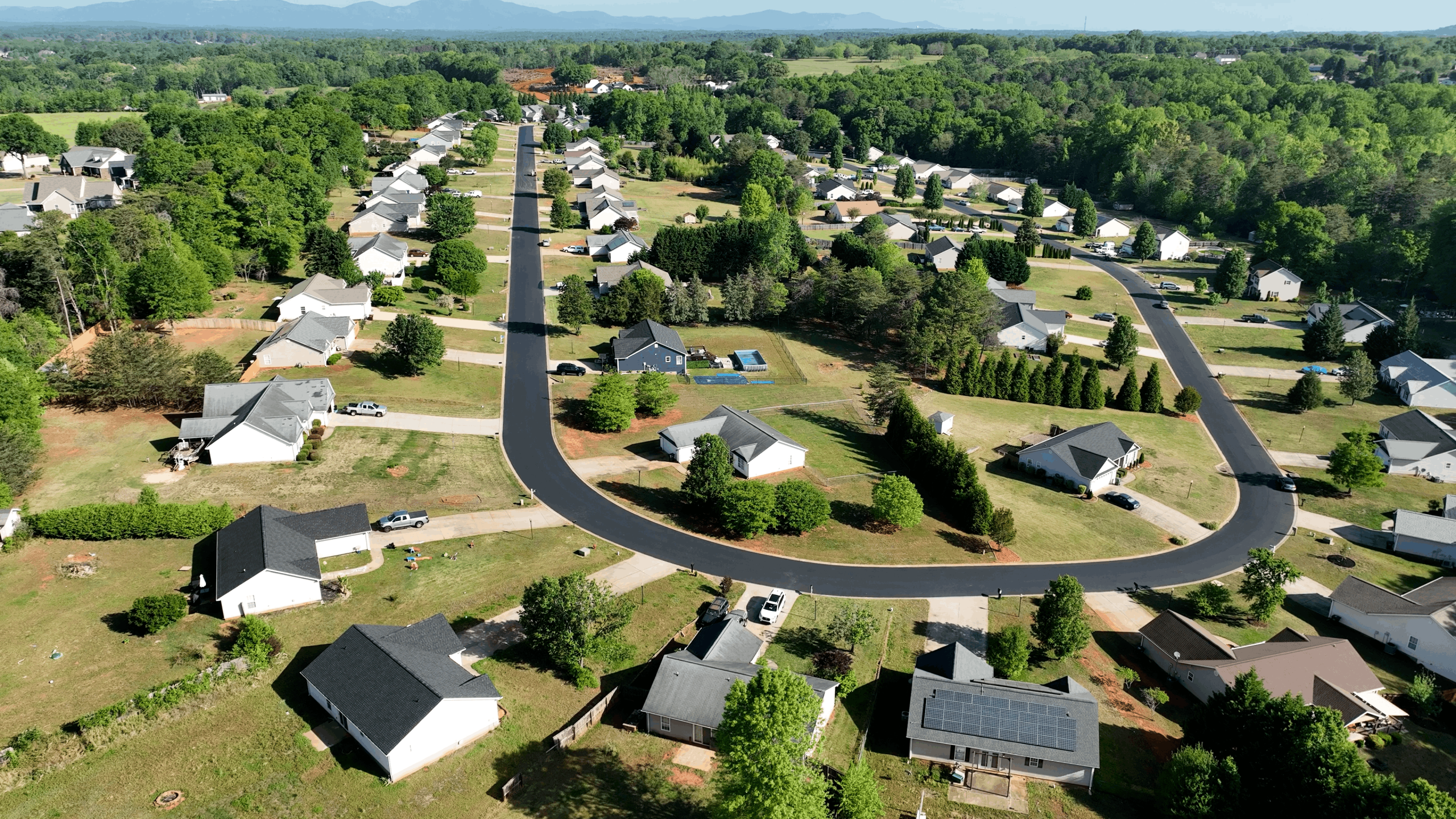
Beyond the dollars and cents, there is a quality-of-life argument for preservation that often gets overlooked. Major rehabilitation projects in established subdivisions can drag on for weeks or even months, and residents feel every day of it.
Fiscal Responsibility Built Into the Program
For Wade and his team, the conversation always comes back to taxpayer dollars.
Advice for Other Local Governments
Wade had a clear message for other counties, cities, and DOTs considering a pavement preservation program of their own.
Ready to Extend the Life of Your Asphalt Assets?
Spartanburg County’s story is a reminder that the cheapest road is the one you never have to rebuild. By investing in preservation while pavements are still in good condition, agencies can stretch budgets, improve service to residents, and protect infrastructure for decades to come.
Related Case Studies
Fayette County is one of Georgia’s leading municipalities when it comes to preserving asphalt assets. Learn how they’ve embraced a culture of innovation to lower costs for taxpayers.
After discovering HA5 High Density Mineral Bond through a neighboring county, Walton County implemented a “best-first” approach, treating newer pavements to prevent deterioration rather than waiting for failure.