

Walton County Commissioner: How Pavement Preservation Protects Taxpayer Dollars and Extends Road Life
Located roughly 45 minutes east of Atlanta, Walton County, Georgia, spans more than 300 square miles and maintains approximately 900 miles of road. Home to over 100,000 residents, the county blends small-town charm with growing suburban development. With one of the largest line items in the county budget tied to road construction and maintenance, the Walton County Board of Commissioners has made it a priority to find smarter, more cost-effective ways to care for the county’s most expensive infrastructure asset.
The Problem
Like many Georgia counties experiencing population growth, Walton County faced rising paving costs and aging infrastructure that put steady pressure on the road maintenance budget. They needed a way to slow asphalt deterioration without sacrificing quality or burdening taxpayers with the steep cost of full reconstruction.
The Solution
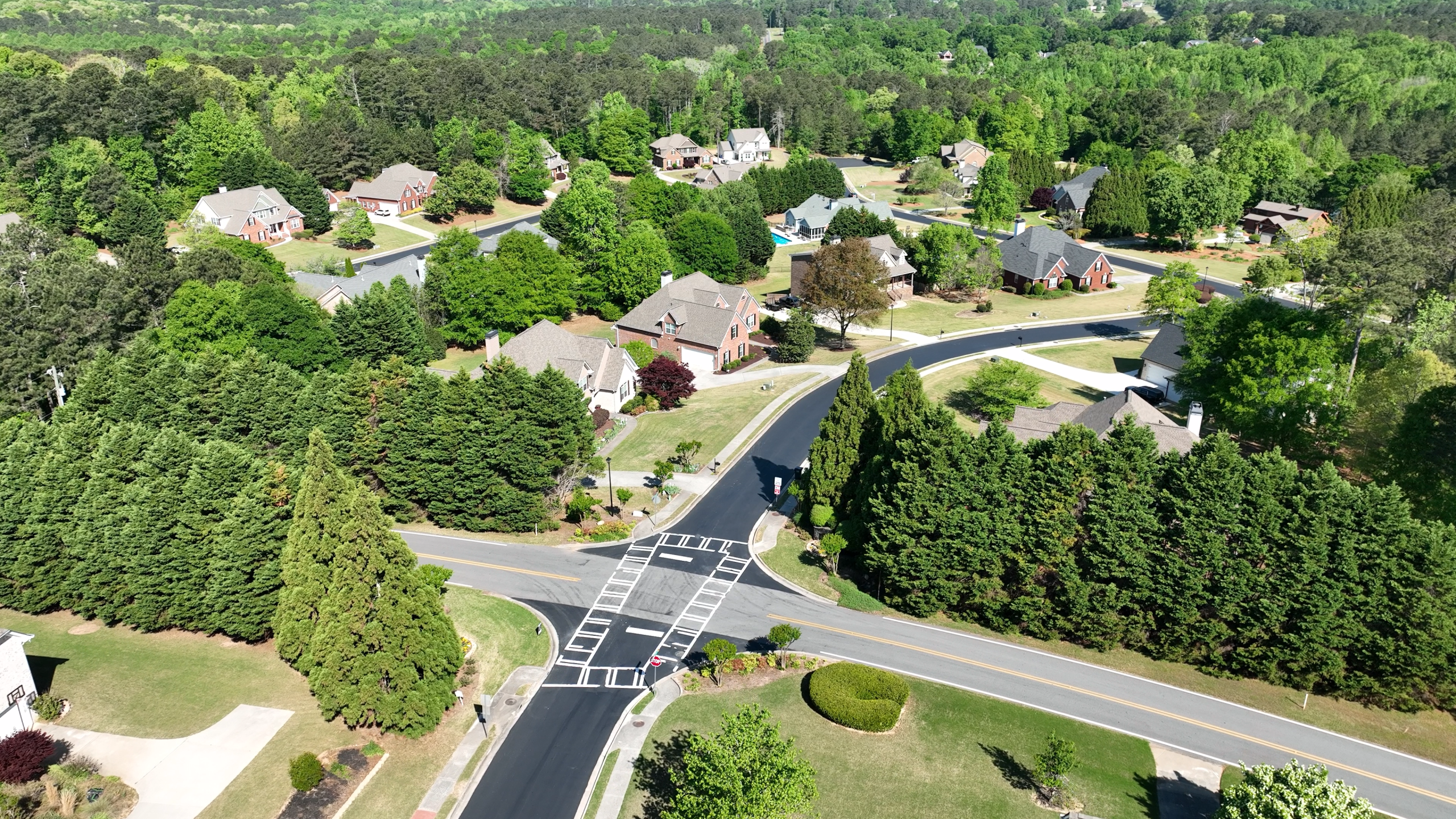
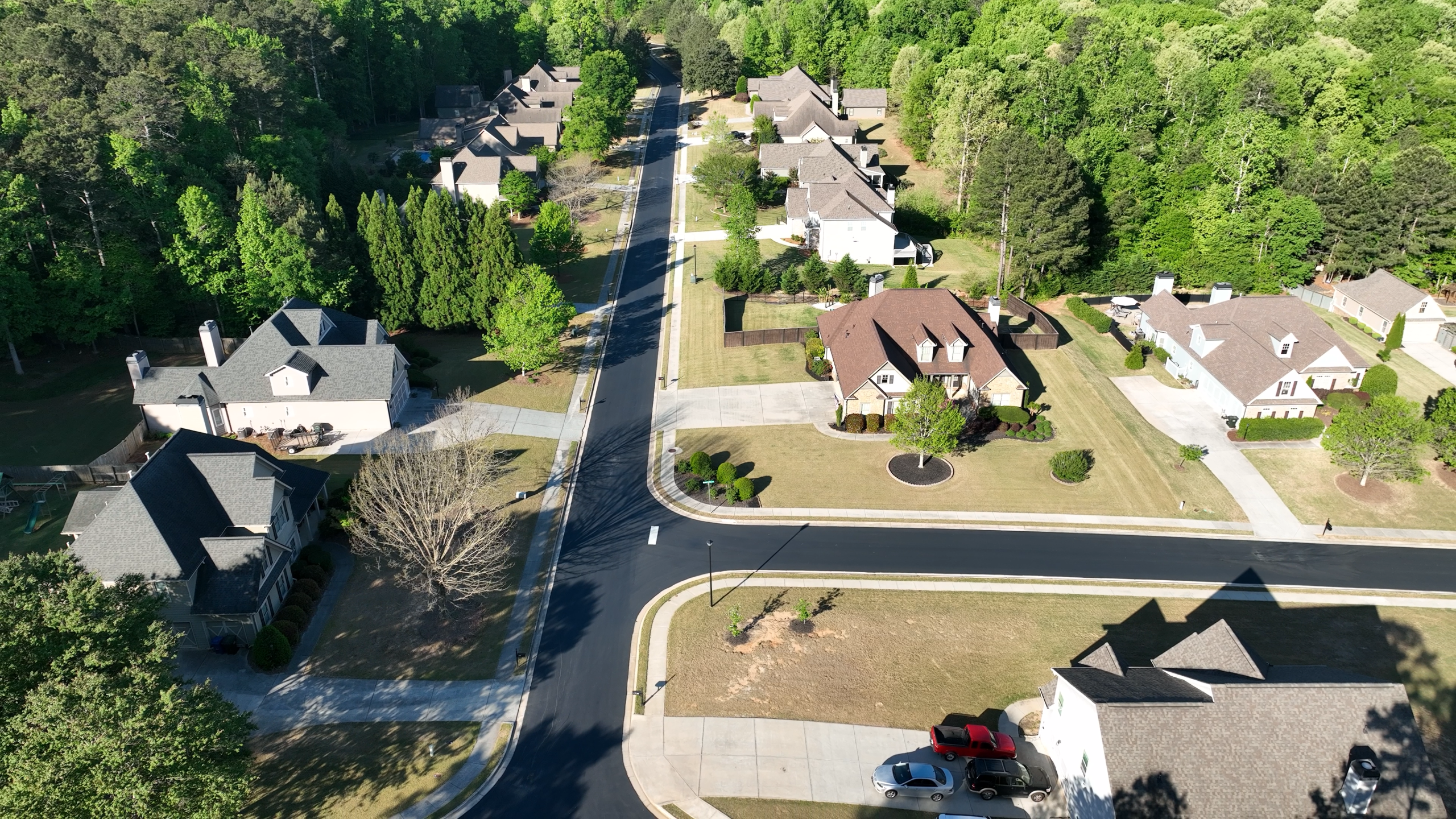
After discovering HA5 High Density Mineral Bond, Walton County integrated HA5 into a broader best-first pavement preservation strategy. By applying HA5 to newly paved roads and other roads still in good condition, the county is now extending pavement life at a fraction of the cost of repaving.
A Commissioner’s View: Roads Are the County’s Largest Investment
For Lee Bradford, a member of the Walton County Board of Commissioners, road maintenance isn’t a box to tick; it’s a question of stewardship.
“One of the main things that the Board of Commissioners is supposed to oversee and superintend is the good construction and maintenance of the roadway system,” Lee said. “And that’s actually one of the greatest expenses of the county when you think about it. One of the county’s largest investments is maintaining roads.”
The math is hard to ignore. With nearly 900 miles in the county’s portfolio, every mile of asphalt, base, and binder represents a substantial taxpayer commitment. Allowing roads to age and oxidize to the point of reconstruction without proactively extending their useful life through preservation is a waste of taxpayer dollars.
“Making sure we maintain that and be a good steward of it is very important,” Lee said. “Our job is to make sure that we’re a good steward of the taxpayers’ dollar.”
Blocking UV to Slow Oxidation
To explain pavement preservation to residents and fellow officials, Lee uses an analogy almost anyone can picture.
“It’s like going to the beach and wearing sunscreen, right? If you go to the beach without sunscreen, your skin is just going to dry and crack and shrivel up, and you’re going to get burned,” he said. “Well, it’s the same thing with a roadway system. You want to keep out all the water, and you want to keep out all the UV rays.”
That is exactly what HA5 High Density Mineral Bond does. By blocking UV exposure and moisture intrusion, HA5 preserves the flexibility of the asphalt binder, the “glue” that holds the rocks together and gives a road its ability to flex under traffic. When that binder dries out, cracks follow, and so do costly repairs.
“The rocks don’t need protection, but the binder that holds all the rocks together does,” Lee explained. “When you maintain the flexibility of the road, it greatly extends the life of it.”
The Cost? A Fraction of Repaving
For Walton County, the financial case for HA5 is straightforward.
“It greatly reduces what it actually costs to maintain them,” Lee said. “You can actually maintain for a quarter of the cost of what you can do to repave. And it may even be a little bit less than a quarter of the cost, because everything goes up over time.”
Rising material and labor costs are squeezing road budgets across Georgia. It’s not new, but it’s a reality all municipalities are feeling.
Counties that adopt a worst-first approach and wait until roads fail are forced to pay top dollar for full-depth reclamation and repaving. Counties that protect good roads early get more road miles for every dollar spent.
That cost advantage has held up over time. Some of the roads Walton County treated in the early years of its program are now ready for a second application of HA5, which is a hallmark of how the product performs when used as part of a long-term strategy. “We’re getting to that spot on a few of the roadways that we’re doing here to where you can come back and reapply the high density mineral bond. And it’s holding up well.”
Keeping ‘A’ Roads in ‘A’ Condition
Walton County had been investing in pavement condition studies to grade its roads. That data, combined with what commissioners learned about HA5, reshaped how the county thinks about prioritization.
“How do I keep an A road an A road? How do I keep a B road a B road?” Lee said. “Once you get to a C road and a D road, you’re really going in there, and you’re having to do some full-depth reclamation. You’re having to deep patch. You’re having to repave. So you really want to stay in that A and B range, just like you would your kids’ grades in school.”
This is the essence of the best-first approach to pavement preservation: keep good roads good, rather than chasing failing roads with expensive emergency repairs. It is a strategy that allows local governments to extend asphalt life, stretch budgets, and protect taxpayers from the financial shock of large-scale reconstruction.
Advice for Getting Started: 5% of the Paving Budget
For commissioners and public works directors in other counties weighing whether to start a pavement preservation program, Lee’s advice is direct.
“Start with 5% of your budget. Take 5% of your paving budget and add in just preservation to that budget,” he said. “What you’ll find is that the budget on this side, right here, for doing all the paving is going to start to shrink.”
And that preservation is going to start to increase. And you’re going to get a lot more road miles applied over time than you are if you just continue to stick with, hey, I’m just going to pave, and I’m just going to pave.”
He also pushed back on a common instinct, which is to apply preservation products to the oldest, most cracked roads first.
“Some folks are like, well, hey, this road’s 15 years old. Will you come look at it and see if we can do this? And I’m like, man, don’t even start there. Start on your newly paved roads. Start with the ones that are in good shape and keep them in good shape. That would be my recommendation.”
More Than a Product: A Team and a Process
Walton County did its homework before adopting HA5. Lee credits the Holbrook Asphalt team for helping commissioners and public works staff evaluate which roads were actually good candidates for the treatment, and which were not.
“The neat thing about it, they’ll come out, and they’ll help you look and evaluate roads and be like, hey, this is a good candidate. This is not a good candidate. It’s not just about turning the road a certain color to make it look new. It’s about maintaining it to keep it new.”
That consultative approach is what Lee says ultimately earned his confidence in both the product and the company.
“Absolutely. I would recommend HA5. I’m not just recommending the product. I’m recommending the team.”
Want to See the Same Results on Your Roads?
Walton County’s pavement preservation program is a working example of how counties can extend the life of their most expensive asset while being responsible with taxpayer dollars. By integrating HA5 High Density Mineral Bond into a best-first maintenance strategy, the county is treating roads while they are still in good condition, locking in the binder, and pushing costly reconstruction further into the future.
If you are a county commissioner, city manager, or public works leader looking for a way to maintain more road miles with less budget, Walton County’s experience is a good place to start.
To learn more about how HA5 can help your community protect its asphalt assets, contact Holbrook Asphalt or check out additional case studies from cities and counties across the country.
Related Case Studies
Fayette County is one of Georgia’s leading municipalities when it comes to preserving asphalt assets. Learn how they’ve embraced a culture of innovation to lower costs for taxpayers.
After discovering HA5 High Density Mineral Bond through a neighboring county, Walton County implemented a “best-first” approach, treating newer pavements to prevent deterioration rather than waiting for failure.